
You've decided to replace your windows. You've searched for home window replacement companies near me and window replacement companies near me. You have quotes sitting on your kitchen table. But here's the problem: every quote lists different materials. Vinyl. Wood. Fiberglass. Aluminum. Composite. The prices vary by thousands of dollars. And no one has explained the real trade-offs – not just upfront cost, but how long each material lasts, how much maintenance it needs, and whether you'll recoup the cost when you sell.
This guide isn't about when to replace your windows or how to find a contractor. Instead, we'll help you make the single most important decision: which window material is right for your climate, your house style, and your budget.
Part 1: The Four Contenders – At a Glance
Before we dive deep, here's the quick comparison.
| Material | Upfront Cost | Lifespan | Maintenance | Energy Efficiency | Best For |
|---|---|---|---|---|---|
| Vinyl | $ | 20-30 years | Very low | Good | Budget-conscious, most climates |
| Wood | $$$$ | 30-50+ years | High (painting) | Excellent | Historic homes, high-end |
| Fiberglass | $$$ | 30-50 years | Very low | Excellent | Extreme climates, longevity focus |
| Aluminum | $$ | 20-30 years | Low | Poor (unless thermal break) | Commercial, modern, mild climates |
The bottom line upfront: For 80% of homeowners, vinyl is the right choice. It's affordable, low-maintenance, and performs well. But if you live in extreme cold, extreme heat, or near the ocean, or if you have a historic home, another material may be worth the extra cost.
Part 2: Vinyl Windows – The Default Choice (For Good Reason)
Vinyl windows dominate the residential market. About 70% of new windows installed in the US are vinyl. Here's why.
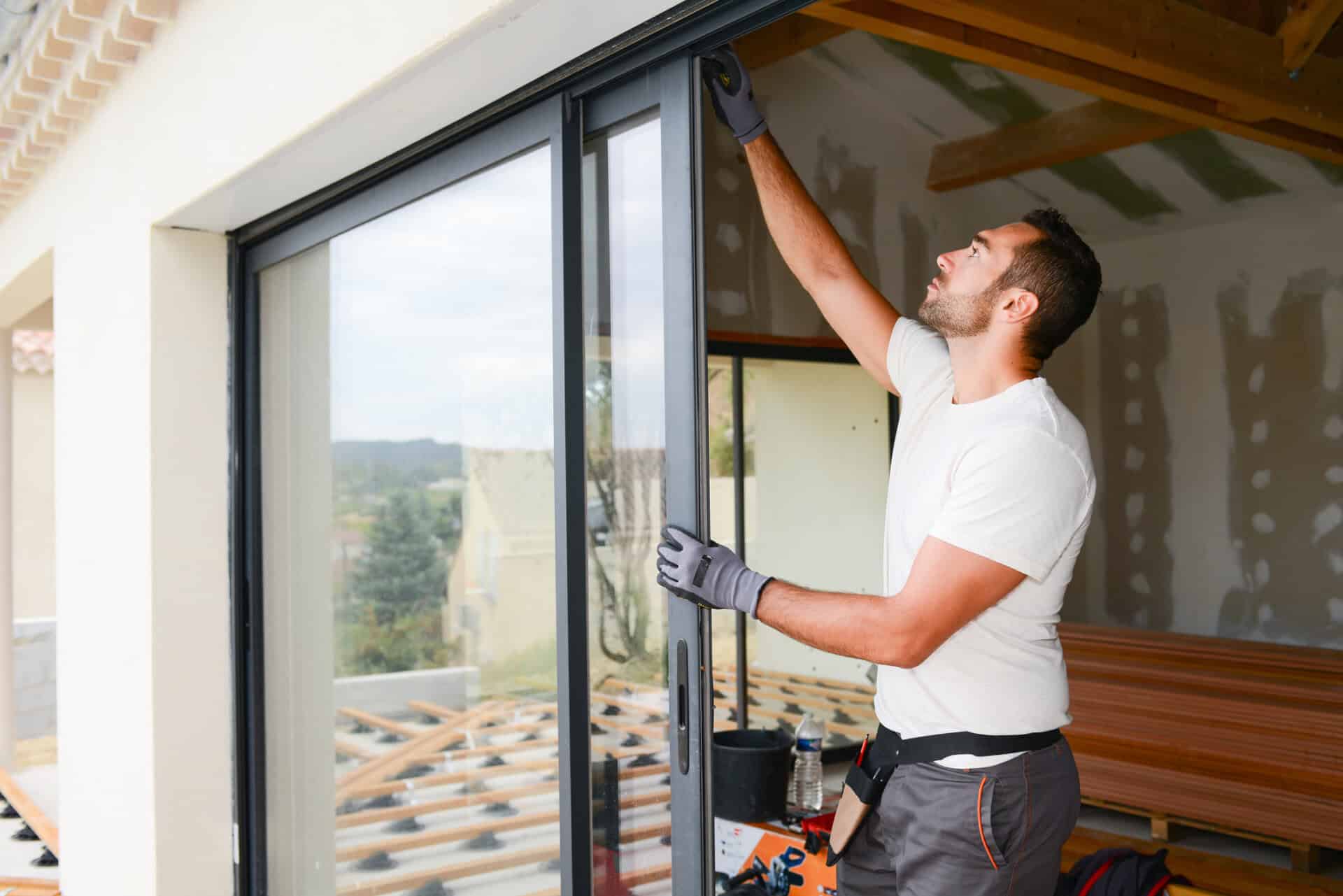
What vinyl is: Extruded polyvinyl chloride (PVC) – the same material as your plumbing pipes, but formulated for UV resistance and durability.
The pros:
Lowest upfront cost: $300-$700 per window installed (versus $800-$1,500 for wood or fiberglass)
Nearly maintenance-free: No painting, no staining, no sanding. Wash with soap and water.
Good energy efficiency: Multi-chambered frames trap air, reducing heat transfer.
Widely available: Every window replacement companies near me stocks vinyl.
The cons:
Shorter lifespan: 20-30 years (versus 30-50+ for wood or fiberglass)
Can warp in extreme heat: Dark-colored vinyl in direct desert sun can soften and warp.
Limited color options: Usually white, beige, or tan. Painting voids the warranty.
Not for historic homes: Vinyl looks modern. It's out of place on Victorian or Craftsman houses.
The verdict: Vinyl is the smart choice for most homeowners. The money you save upfront compared to wood or fiberglass can be invested elsewhere.
Part 3: Wood Windows – The Premium Choice (For the Right House)
Wood windows are beautiful. They're also expensive and high-maintenance. Here's the reality.
What wood is: Typically pine, fir, mahogany, or oak. Some manufacturers use engineered wood (layers glued together) for better stability.
The pros:
Aesthetics: Nothing looks like real wood. For historic homes, wood is the only appropriate choice.
Long lifespan: With proper maintenance, 30-50+ years.
Excellent insulation: Wood is a natural insulator, though modern vinyl and fiberglass match its performance.
Repairable: Scratches, dents, and rot can be sanded and filled. Vinyl can't be repaired – only replaced.
The cons:
High upfront cost: $800-$1,500+ per window installed.
High maintenance: Needs painting or staining every 3-7 years. Exterior wood needs more frequent attention.
Rot and moisture issues: Wood absorbs water. Poorly maintained wood windows rot, especially at the bottom.
Not for all climates: Humid climates accelerate rot. Arid climates cause cracking.
The verdict: Choose wood only if you have a historic home, you're willing to maintain them properly (painting every few years), or you have a high budget and want the best appearance.
Part 4: Fiberglass Windows – The Long-Term Investment
Fiberglass is the rising star of window materials. It costs more than vinyl but less than wood, and it outperforms both in durability.
What fiberglass is: Glass fibers embedded in resin. The same material used for boat hulls and Corvette bodies.
The pros:
Extremely durable: Won't warp, rot, or corrode. Withstands extreme heat and cold.
Long lifespan: 30-50+ years, often with a lifetime warranty.
Low maintenance: No painting needed. Can be painted if you want to change color.
Excellent energy efficiency: Fiberglass frames can be filled with insulation. Thermal expansion matches glass, so seals last longer.
Paintable: You can change color later (unlike vinyl).
The cons:
Higher upfront cost than vinyl: $500-$1,200 per window installed.
Limited availability: Not every window replacement companies near me carries fiberglass.
Heavier than vinyl: Installation takes slightly longer.
The verdict: Fiberglass is the best choice for extreme climates (desert Southwest, Northern states, coastal areas). It's also the best choice if you plan to stay in your home for 20+ years – the higher upfront cost pays off in longevity and energy savings.
Part 5: Aluminum Windows – The Niche Choice
Aluminum windows are common in commercial buildings and modern architecture. They're less common in homes.
What aluminum is: Extruded aluminum, often with a "thermal break" (plastic strip) to improve energy efficiency.
The pros:
Strong and thin: Aluminum frames can be very narrow, maximizing glass area.
Durable: Won't rot, warp, or corrode (though salt air can corrode without special coating).
Low maintenance: No painting needed.
Recyclable: Environmentally friendly.
The cons:
Poor energy efficiency: Aluminum conducts heat. Without a thermal break, they're terrible insulators.
Condensation issues: Cold aluminum frames cause interior condensation, which can lead to mold.
Not for cold climates: Even with thermal breaks, they underperform vinyl, wood, and fiberglass.
Modern appearance: Doesn't suit traditional homes.
The verdict: Only choose aluminum if you live in a mild climate (coastal Southern California, Hawaii) and have a modern-style home, or if you need very narrow frames for maximum glass.
Part 6: Climate Guide – Which Material for Where You Live
Your climate should drive your material choice more than anything else.
Hot climates (Arizona, Texas, Florida):
Best: Fiberglass (won't warp, excellent insulation)
Good: Vinyl (but avoid dark colors – they absorb heat and warp)
Avoid: Aluminum (conducts heat into your home)
Cold climates (Minnesota, New York, Wisconsin):
Best: Fiberglass (thermal expansion matches glass)
Good: Vinyl (multi-chambered frames work well)
Avoid: Aluminum (conducts cold, causes condensation)
Coastal/salty air (Florida coast, California coast, Northeast coast):
Best: Fiberglass (won't corrode)
Good: Vinyl (won't corrode)
Avoid: Aluminum (salt corrodes unprotected aluminum), Wood (salt and moisture cause rot)
Historic homes (any climate):
Best: Wood (period-appropriate appearance)
Acceptable: Fiberglass painted to look like wood (some historic districts allow it)
Avoid: Vinyl (looks modern, often prohibited in historic districts)
| Climate | Best Material | Second Choice | Avoid |
|---|---|---|---|
| Hot (desert) | Fiberglass | Vinyl (light colors) | Aluminum |
| Cold (northern) | Fiberglass | Vinyl | Aluminum |
| Coastal (salt) | Fiberglass | Vinyl | Aluminum, Wood |
| Humid (southeast) | Fiberglass | Vinyl | Wood |
| Historic district | Wood | Fiberglass (painted) | Vinyl |
Part 7: Cost Breakdown – Upfront vs. Long-Term
Vinyl is cheapest upfront. But is it cheapest over 30 years? Let's compare.
Vinyl windows (20-30 year lifespan):
Upfront cost (10 windows): $6,000-$10,000
Maintenance over 30 years: $0 (no painting)
Replacement at year 25: $6,000-$10,000 (adjusted for inflation)
Total 30-year cost: $12,000-$20,000
Fiberglass windows (30-50 year lifespan):
Upfront cost (10 windows): $8,000-$15,000
Maintenance over 30 years: $0 (no painting)
Replacement: Not needed within 30 years
Total 30-year cost: $8,000-$15,000
Wood windows (30-50+ year lifespan):
Upfront cost (10 windows): $12,000-$20,000
Maintenance over 30 years (painting every 5 years): $5,000-$10,000
Replacement: Not needed within 30 years if maintained
Total 30-year cost: $17,000-$30,000
The surprise: Fiberglass can be cheaper than vinyl over 30 years because you don't replace it. Vinyl's lower upfront cost is offset by replacement costs.
| Material | 30-Year Cost (10 windows) | Maintenance | Replacement Needed? |
|---|---|---|---|
| Vinyl | $12,000-$20,000 | None | Yes (at year 20-30) |
| Fiberglass | $8,000-$15,000 | None | No |
| Wood | $17,000-$30,000 | High (painting) | No (if maintained) |
| Aluminum | $10,000-$18,000 | Low | Yes (at year 20-30) |
Part 8: The "New Windows and Doors Near Me" Bundle – Should You Replace Both?
If you're searching for new windows and doors near me, you're probably considering replacing both at once. Here's when it makes sense.
Replace together if:
Your doors are the same age as your windows (20+ years old)
You want consistent style and color across all openings
You're financing the project (one loan, one contractor)
You're already having siding or trim work done
Replace separately if:
Your doors are in good condition but windows are failing
You have a limited budget (doors cost $1,000-$4,000 each)
You're using different materials (e.g., fiberglass windows, steel door)
The bundle discount: Some door and window replacement near me companies offer 10-15% off when you replace both. Ask specifically: "Do you offer a discount for replacing windows and doors together?"
Part 9: Questions to Ask Window Replacement Companies (Beyond Price)
When you call home window replacement companies near me, ask these specific questions about materials.
For vinyl windows:
"What's the thickness of the vinyl?" (Thicker = more rigid. Look for 0.040-0.050 inches)
"Are the frames multi-chambered?" (More chambers = better insulation)
"What's the warranty on warping?" (Some exclude warping from heat)
For fiberglass windows:
"Is the fiberglass pultruded or hand-laid?" (Pultruded is stronger and more consistent)
"Does the frame have foam insulation?" (Yes – fiberglass alone isn't enough)
"Can you paint them any color?" (Most can be painted on-site)
For wood windows:
"Is the wood solid or engineered?" (Engineered (clad) wood is more stable)
"What's the exterior cladding?" (Aluminum cladding eliminates painting)
"How often does the exterior need painting?" (If no cladding, every 3-5 years)
Part 10: Your Action Plan – Choosing the Right Window Material
Step 1 – Assess your climate (from Part 6).
Hot, cold, coastal, or humid? Your answer eliminates at least one material.
Step 2 – Assess your house style.
Historic home → Wood or painted fiberglass
Modern home → Aluminum or fiberglass
Traditional suburban home → Vinyl or fiberglass
Step 3 – Assess your budget and timeline.
Staying 5-10 years → Vinyl (lowest upfront cost, good resale value)
Staying 15-20 years → Fiberglass (no replacement needed)
Staying 20+ years → Fiberglass or wood (long-term value)
Step 4 – Get quotes for 2-3 materials.
Ask each new window installation near me company for quotes in vinyl, fiberglass, and (if relevant) wood.
Compare not just price, but warranty length and coverage.
Step 5 – Ask about the bundle.
If you also need doors, ask about door and window replacement near me discounts.

