
Dental Restoration Options in the United States: A Practical Comparison Guide
Dental restoration can mean many different things, from repairing a small cavity to replacing several missing teeth. In the United States, patients may see a wide range of treatment recommendations, materials, appointment timelines, and price estimates depending on the dentist, location, insurance situation, and complexity of the case. This guide explains the most common restoration options in a comparison-focused way so readers can better understand what to discuss with a licensed dental professional.
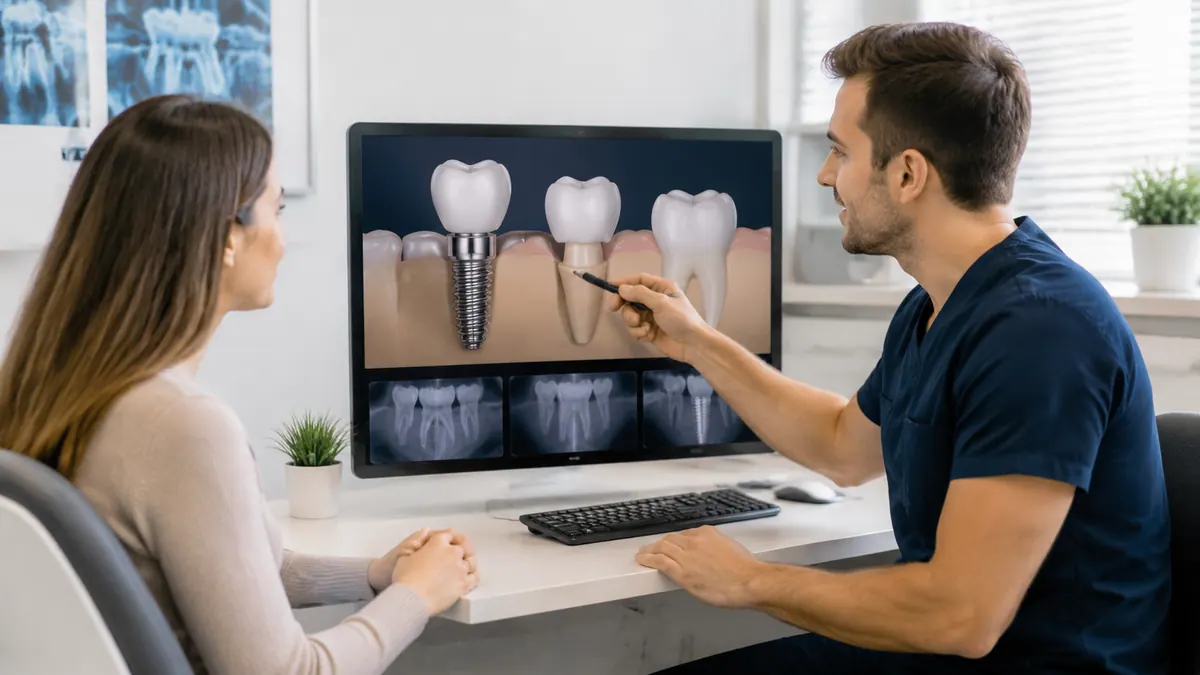
The goal is not to recommend one treatment for everyone. A filling, crown, bridge, denture, or implant-supported restoration may each be appropriate in different situations. The right choice depends on how much tooth structure remains, whether teeth are missing, gum and bone health, bite pressure, appearance goals, medical history, and budget. A dental exam and imaging are usually needed before a provider can give an accurate treatment plan.
Current Dental Restoration Landscape in the US
Dental restoration services in the United States cover a broad mix of routine and advanced care. Many people seek treatment because of tooth decay, cracked teeth, older fillings that need replacement, injury, gum-related tooth loss, or age-related wear. Over time, materials and techniques have changed. Tooth-colored composite, porcelain, ceramic, and zirconia restorations are now widely used, especially when appearance matters.
Metal restorations are still available in some settings and may remain useful for certain back-tooth situations, but many patients ask about metal-free or more natural-looking alternatives. At the same time, interest in dental implants has grown because implants can replace missing teeth without relying on removable appliances in some cases. However, implants usually involve surgery, planning time, and a higher upfront cost than several other options.
Availability and pricing can vary significantly across the country. Large metro areas may have more specialists, dental labs, cosmetic-focused practices, and implant centers. Smaller towns or rural areas may have fewer providers, longer scheduling times, or more limited specialty access. This does not automatically mean one area is better than another; it means comparison shopping, second opinions, and clear written estimates can be useful.
Common Dental Restoration Solutions
Composite Fillings
Composite fillings are often used for small to medium cavities or minor tooth repairs. The material is tooth-colored and can be bonded directly to the remaining tooth structure. For many patients, composite is a practical option when the tooth still has enough healthy structure and the damaged area is not too large.
- Typical use: Small cavities, minor chips, replacement of some older fillings.
- Common US cost range: Often about $150 to $450 per tooth, though location and tooth complexity can change the estimate.
- Approximate longevity: Often 5 to 10 years, depending on bite force, oral hygiene, and placement.
- Advantages: Tooth-colored appearance, conservative preparation, usually completed in one visit.
- Limitations: May not be ideal for very large areas of damage or high-pressure biting surfaces.
Porcelain, Ceramic, and Zirconia Crowns
A crown covers most or all of the visible portion of a tooth. Dentists may recommend a crown when a tooth has extensive decay, a fracture, a large older filling, or after certain root canal treatments. Crowns can be made from porcelain, ceramic, zirconia, metal, or combinations of materials.
- Typical use: Teeth with major structural loss, cracks, heavy wear, or large restorations.
- Common US cost range: Often about $800 to $1,700 per crown, with higher estimates possible in some markets.
- Approximate longevity: Often 10 to 15 years or longer with good maintenance.
- Advantages: Strong coverage, natural-looking options, can protect weakened teeth.
- Limitations: Requires reshaping the tooth and may involve more than one appointment unless same-day crown technology is available.
Dental Implants
A dental implant is a post placed into the jawbone to support a crown, bridge, or denture. For a single missing tooth, an implant crown may be considered because it does not require reshaping neighboring teeth the way a traditional bridge often does. For multiple missing teeth, implants may support a fixed bridge or stabilize a denture.
- Typical use: Single-tooth replacement, multiple-tooth replacement, denture support.
- Common US cost range: A single implant with related parts and crown is often quoted around $3,000 to $5,000 or more, depending on bone grafting, imaging, sedation, and provider fees.
- Approximate longevity: Implants can last many years, but the crown or prosthetic part may need maintenance or replacement over time.
- Advantages: Fixed feel in many cases, helps support jawbone stimulation, does not depend on adjacent teeth for a single-tooth replacement.
- Limitations: Higher upfront cost, surgical process, healing time, and not every patient is an immediate candidate.
Dental Bridges
A traditional dental bridge replaces one or more missing teeth by anchoring to neighboring teeth. It can be a fixed option for people who do not want a removable appliance or who are not pursuing implants. Because neighboring teeth usually need to be prepared for crowns, the condition of those teeth matters.
- Typical use: One or more missing teeth when adjacent teeth can support the restoration.
- Common US cost range: Often about $2,000 to $5,000 per bridge, depending on the number of units and materials.
- Approximate longevity: Often 10 to 15 years, sometimes longer with careful cleaning and regular dental visits.
- Advantages: Fixed replacement, does not usually require implant surgery, can restore chewing and appearance.
- Limitations: May require altering neighboring teeth and requires careful cleaning under the bridge.
Partial and Full Dentures
Dentures are removable appliances used to replace several teeth or a full arch of teeth. Partial dentures attach around remaining teeth, while full dentures replace all teeth in an upper or lower arch. Some dentures can also be supported by implants for added stability.
- Typical use: Multiple missing teeth, full-arch tooth replacement, transitional replacement after extractions.
- Common US cost range: Partial dentures may be around $1,000 to $3,000, while full dentures vary widely based on quality, materials, and whether implants are involved.
- Approximate longevity: Often 5 to 10 years, though relines, adjustments, and replacement may be needed as the mouth changes.
- Advantages: Removable, generally less invasive, may cost less upfront than fixed implant options.
- Limitations: Can feel less stable than fixed restorations and may require adaptation time.
Key Factors That Influence the Best Option
Extent and Location of Damage
A small cavity on a back tooth is very different from a cracked front tooth or several missing molars. The more tooth structure that is lost, the more likely a dentist may discuss crowns, onlays, root canal treatment, extraction, or replacement options. Front teeth often require extra attention to color and shape, while back teeth need materials that can tolerate chewing pressure.
Bone, Gum, and Bite Health
For implant treatment, bone volume and gum health are important. Some patients may need additional procedures such as bone grafting before implant placement, while others may be better suited to a bridge or denture. Bite habits also matter. People who clench or grind may need stronger materials or a night guard to protect restorations.
Appearance Goals
Many US patients prefer tooth-colored restorations, especially for visible teeth. Composite resin, porcelain, lithium disilicate, and zirconia can all be used for natural-looking results, but they are not interchangeable. Some materials are chosen for translucency and appearance; others are chosen for strength. A dentist can explain why one material may be more suitable for a specific tooth.
Cost, Insurance, and Payment Structure
Dental insurance may cover part of some restorative procedures, but plans vary. A filling may be treated differently from a crown, implant, bridge, or denture. Some plans have waiting periods, annual maximums, missing tooth clauses, or exclusions for certain services. Patients should request a written treatment estimate and, when possible, a pre-treatment estimate from the insurance carrier.
People searching for affordable dental restoration near them may also compare dental schools, community clinics, membership plans, phased treatment plans, and financing options. These may reduce upfront pressure for some patients, but availability and eligibility vary. It is better to treat any advertised price as a starting point and ask what is included, such as exams, X-rays, extractions, temporary crowns, abutments, lab fees, sedation, follow-up visits, or adjustments.
How to Compare Dental Restoration Providers
Comparing providers is not only about the lowest quoted price. A very low estimate may exclude services that another office includes. It may also reflect a different material, lab process, warranty policy, or treatment sequence. Patients can make more useful comparisons by asking each office for the same details in writing.
- Ask what diagnosis the treatment plan is based on: Imaging, periodontal evaluation, bite assessment, and tooth-by-tooth findings can affect the recommendation.
- Request the material name: For example, composite, porcelain-fused-to-metal, zirconia, lithium disilicate, acrylic denture base, or implant brand and component type.
- Clarify the number of appointments: Some procedures are completed in one visit, while crowns, implants, bridges, and dentures may require multiple visits.
- Check what is included in the estimate: Temporary restorations, extractions, grafts, scans, sedation, follow-ups, and replacement parts can change total cost.
- Discuss maintenance: Bridges, implants, crowns, and dentures have different cleaning routines and follow-up needs.
Implementation and Planning Considerations
Start With a Full Evaluation
A comprehensive dental exam is usually the first step before any major restoration. X-rays or 3D imaging may be needed to check roots, bone, infection risk, and neighboring teeth. For complex cases, a general dentist may coordinate with a periodontist, oral surgeon, prosthodontist, or endodontist.
Consider Phased Treatment
Some patients need several restorations but cannot complete everything at once. In those situations, a phased treatment plan may help prioritize urgent issues first, such as infection, pain, unstable teeth, or chewing problems. Cosmetic or longer-term replacement work may be planned after immediate risks are controlled. This approach should be discussed with a provider because delaying certain treatment can sometimes make a condition worse.
Understand Maintenance Before Choosing
Every restoration needs maintenance. Fillings can chip or wear. Crowns need healthy margins and regular cleaning. Bridges require cleaning under the replacement tooth. Dentures may need relines as gums and bone change. Implants need professional monitoring because gum inflammation around an implant can affect long-term stability. Good home care and regular dental visits can help extend the useful life of most restorations, but no option should be treated as maintenance-free.
Cost-Saving Questions to Ask Without Sacrificing Clarity
Dental restoration costs can be difficult to compare because procedures are customized. Instead of focusing only on a headline price, patients can ask practical questions that reveal the full scope of care. This can help avoid misunderstandings and make treatment planning more transparent.
- Is there a lower-cost material that is clinically reasonable for this tooth?
- Can urgent care be handled first and other work planned later?
- Does the office offer a written estimate with procedure codes?
- Will my insurance receive a pre-treatment estimate before work begins?
- Are follow-up adjustments included for dentures or temporary restorations?
- For implants, does the quote include the implant post, abutment, crown, imaging, and any grafting?
- Are there dental school clinics or community health centers nearby that may be appropriate for evaluation?
Common Search Terms and What They Usually Mean
People often search terms like affordable dental implants for seniors, dental restoration cost near me, low-cost crowns, or dental bridges vs implants. These searches usually reflect the same need: comparing realistic options before committing to treatment. For older adults, missing teeth, bone changes, medication history, and insurance coverage can all affect planning. For younger adults, appearance, time away from work, and long-term durability may be larger concerns.
When using online search results, it is helpful to treat articles and advertisements as starting points, not final medical guidance. A price range may not apply to a specific case until a dentist evaluates the tooth, gums, bite, and imaging. Any claim that a person is guaranteed to qualify for a procedure, discount, or outcome should be reviewed carefully and confirmed directly with a licensed provider or insurer.
Frequently Asked Questions
Are dental implants always better than bridges or dentures?
No. Implants can be a strong option for some patients, but they are not automatically the best choice for everyone. Bone health, gum condition, medical history, budget, timeline, and personal preference all matter. Bridges and dentures may be more appropriate in certain situations.
What is the most affordable dental restoration?
For a small cavity, a filling is usually less expensive than a crown or replacement tooth. For missing teeth, removable dentures may cost less upfront than implant-supported options. However, the most affordable option over time depends on durability, maintenance, repair needs, and whether additional treatment becomes necessary.
How long do dental crowns and fillings last?
Composite fillings often last several years and may last longer with good care. Crowns commonly last 10 to 15 years or more, but longevity varies by material, bite force, oral hygiene, and dental follow-up. A dentist can provide a more specific expectation based on the tooth and restoration type.
Can I get a second opinion for a dental restoration plan?
Yes. For major dental work, a second opinion can help compare options, materials, timelines, and costs. Patients should bring X-rays, treatment plans, and written estimates if available.
Do dental schools offer lower-cost restoration care?
Some dental schools provide care at reduced fees compared with many private practices. Treatment is typically performed by students under supervision or by residents, and appointment times may be longer. Availability, pricing, and patient acceptance policies vary by school.
Final Takeaway
Dental restoration in the United States includes many options, from simple tooth-colored fillings to crowns, bridges, dentures, and implant-supported restorations. Each option has different cost ranges, maintenance needs, appointment timelines, and clinical requirements. The most useful approach is to get a clear diagnosis, compare written treatment plans, ask what is included in each estimate, and discuss both short-term and long-term implications with a qualified dental professional.
Online guides can help patients prepare better questions, but they cannot replace an individual dental evaluation. A careful comparison process can make it easier to choose a restoration plan that fits the tooth condition, health factors, appearance goals, and budget without relying on unrealistic guarantees or one-size-fits-all claims.

