
A Practical Trading Items Guide for 99 Nights in the Forest
Trading items in 99 Nights in the Forest can be one of the most useful ways to build a stronger inventory, unlock better opportunities, and make smarter choices inside the game economy. This guide is written for players who want a clear, practical overview of how item trading works without treating every trade as a guaranteed win. Values can shift, player demand can change, and the best approach is usually a mix of research, patience, and small tests.
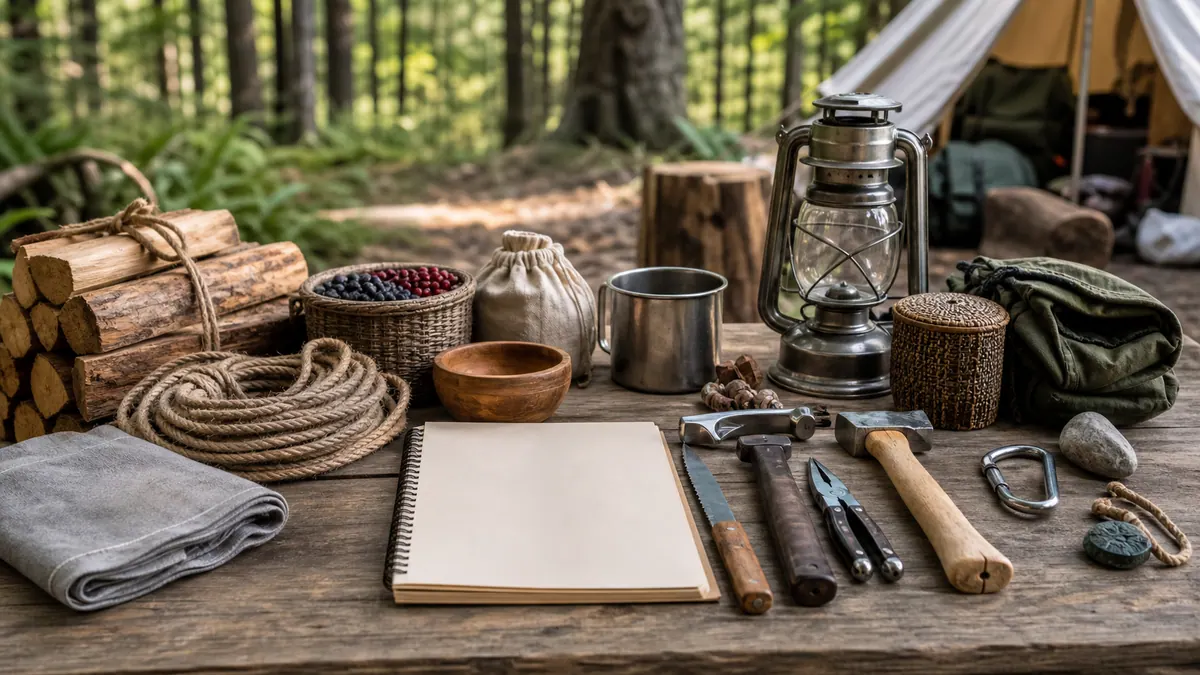
The goal is simple: understand which items tend to be useful, learn how demand works, compare common trading strategies, and avoid mistakes that can drain your inventory. Whether you are starting with basic resources or already trading rare materials, the same core ideas apply. Know what you have, know what others want, and do not rush into trades just because an item looks rare.
Fundamentals of Trading in 99 Nights in the Forest
Before using advanced tactics, it helps to understand the basic trading loop. Players usually collect resources, craft or find items, compare those items against current demand, and then trade with other players when both sides see value. The most successful trades are not always the biggest ones. A smaller trade that improves your inventory balance can be better than a dramatic swap that leaves you short on materials you need later.
Item value in the game is shaped by several factors. Rarity matters, but rarity alone is not enough. A rare item that few players need may be harder to trade than a common resource that many players use for crafting. Demand, usefulness, availability, update timing, and player trends can all affect value. This is why players should think in terms of relative value instead of fixed prices.
Another key point is timing. When many players are looking for the same item, demand may rise. When an event, update, or popular strategy makes one item easier to obtain, its trade value may soften. For US players following guides, videos, or community posts, it is useful to compare several sources rather than relying on one outdated value list.
Common Ways to Trade Items
Item Flipping
Item flipping means acquiring an item when it appears undervalued and later trading it for a stronger return inside the game economy. This approach can work well when you understand current demand, but it also carries risk. If demand drops or if you misread the market, the item may sit in your inventory longer than expected.
For beginners, a cautious version of flipping is usually better. Start with items that have steady demand, such as resources used often in crafting or items players regularly need for progression. Avoid using your entire inventory on one speculative trade. The point is to learn how prices and demand behave, not to chase unrealistic in-game currency targets.
Crafting for Trade Value
Crafting can turn ordinary materials into items that are more attractive to other players. This strategy works best when the crafted item solves a clear need, saves another player time, or is difficult to obtain through normal play. Crafted items may attract strong interest because they combine effort, materials, and utility.
However, crafting for trade value is not always automatically better than trading raw materials. If the materials are already in high demand, using them to craft a low-demand item can reduce your flexibility. Before crafting, compare the trade interest for the finished item against the trade interest for the materials used to make it.
Trading with Friends and Regular Players
Trading with friends can be more predictable because both players may already understand each other’s goals. One player might have extra resources while another needs those resources for crafting. This type of trade can be efficient and mutually useful, especially when the goal is progression rather than squeezing the maximum possible value from every item.
The limitation is availability. Friends may not always have the item you need, and a small trading circle can reduce your options. A balanced approach is to trade with trusted players when possible while still watching broader community demand.
Key Item Categories to Watch
Different item types behave differently in trading. Some items are useful because they are rare. Others are useful because players need them often. Understanding categories makes it easier to compare offers quickly.
- Rare gems: Often attractive because of scarcity and potential use in higher-value trades. Demand may be high, but values can vary depending on updates and player goals.
- Common resources: Usually easier to obtain, but they can still matter because many players need them repeatedly. Their value is often based on quantity and convenience.
- Crafted items: These may carry strong trade interest when they save time or require several materials. Their value depends on usefulness, crafting difficulty, and current demand.
- Event or limited items: These can be desirable if they are hard to obtain later, but players should be careful about hype-driven trades.
- Utility items: Items that help with survival, progression, or repeated tasks may trade well even if they are not the rarest items in the game.
Sample Value Comparison
Exact item values can change, so the examples below should be read as a comparison framework rather than a fixed price list. Use them to understand why different items may attract different levels of interest.
- Rare gems: Often treated as higher-value items because they may be scarce and useful in larger trades. Demand can be high when players need them for upgrades or collections.
- Common resources: Often lower per item, but stable in bulk. These can be good for smaller trades, crafting preparation, or helping newer players progress.
- Crafted items: May draw very strong interest if the crafting path is time-consuming or if the item is useful for common objectives.
A practical trading habit is to compare three things before accepting an offer: how hard the item is to replace, how often other players ask for it, and whether you need it for your own progression. A trade that looks profitable on paper may not help if it removes an item you will need later.
Steps to Build a Better Trading Routine
Research Current Demand
Start by observing what players are asking for. Community discussions, recent gameplay videos, in-game conversations, and your own trade history can all provide clues. The most useful information is recent, because older value assumptions may no longer match the current game environment.
Set Realistic In-Game Goals
Instead of focusing on dramatic claims about earning large amounts, set practical goals such as building a starter inventory, collecting enough materials for a crafted item, or improving your trade range over several sessions. Realistic goals make it easier to measure progress and avoid impulsive trades.
Start with Small Trades
Small trades are useful because they teach you how players respond to offers. You can test which items move quickly, which items attract low interest, and which items seem to be consistently useful. This also reduces the risk of losing important inventory while you are still learning.
Review Each Trade
After a trade, ask whether the outcome helped your inventory. Did you gain something useful? Did the item trade faster than expected? Did you overpay for convenience? A short review helps you refine your strategy without needing a complicated spreadsheet.
Diversify Your Inventory
A balanced inventory gives you more flexibility. If all your value is tied up in one rare item, you may struggle to make smaller trades. If all your value is in common resources, you may have trouble making higher-value offers. A mix of resources, crafted items, and selected rare items usually creates more trading options.
Comparing Popular Trading Strategies
Item Flipping
Best for: Players who enjoy watching demand and making careful timing decisions. Strength: Can improve inventory value when you understand the market. Risk: Requires judgment, and an item may lose interest before you trade it.
Crafting for Trade
Best for: Players who gather resources consistently and understand which crafted items are useful. Strength: Can create items that other players want because crafting takes time. Risk: Materials may be more flexible than the finished item, so crafting should be planned.
Friend and Community Trading
Best for: Players who value consistency and cooperative progression. Strength: Often easier to negotiate and less stressful. Risk: Smaller networks may limit item variety and availability.
Advanced Trading Techniques
Once you understand the basics, you can make your trading more organized. Advanced trading does not mean taking bigger risks. It means making decisions with better information.
- Track repeated offers: If several players request the same item, that may signal steady demand.
- Watch update effects: New mechanics, events, or crafting paths can change which items players want.
- Keep a trade log: A simple note of what you traded and why can reveal patterns over time.
- Separate personal-use items: Do not accidentally trade away items you need for your own progress.
- Compare convenience value: Sometimes players trade more for items that save time, even if the item is not technically rare.
If the game offers app-based trading or mobile-friendly trading features, use them as a convenience tool rather than a reason to trade faster. Being able to trade on the go is helpful, but quick access can also make impulsive decisions easier. Review offers carefully before confirming.
Common Trading Mistakes to Avoid
- Assuming rare always means valuable: Demand and usefulness matter as much as rarity.
- Ignoring replacement cost: If an item is hard for you to replace, think twice before trading it away.
- Overtrading: Too many trades without review can make it difficult to know whether your inventory is improving.
- Following outdated values: Game economies can change after updates, events, or shifts in player behavior.
- Putting everything into one item: Concentrated inventory can reduce flexibility.
- Trading under pressure: Avoid accepting offers just because another player says the opportunity will disappear immediately.
Beginner Example: Building from Basic Items
A newer player might begin with common resources and simple crafted items. Instead of trying to jump directly into rare item trading, the player can learn which resources other players request often. By trading surplus materials for items needed for crafting, the player gradually builds a more useful inventory.
This approach is slower than chasing big trades, but it is easier to understand and less risky. The player learns which items move quickly, which offers are fair, and which items should be saved for personal progression.
Experienced Player Example: Reading Demand
An experienced player may focus on demand patterns. For example, if crafted items become popular after a guide or update, the player may collect the required materials early and craft only when the trade interest is clear. This is less about guessing and more about watching how other players behave.
The same player may also keep a reserve of common resources because those items can support multiple trade paths. Even advanced traders benefit from basics, especially when the market becomes unpredictable.
Frequently Asked Questions
What is a trading items guide for 99 Nights in the Forest?
It is a practical overview of how to compare item values, understand player demand, trade more carefully, and avoid common inventory mistakes inside the game.
Can trading help me build a better inventory?
Yes, trading can help improve your inventory when you understand what other players need and avoid rushed decisions. Results vary depending on demand, item availability, and your own trade choices.
Where should a beginner start?
Begin with small trades involving common resources or simple crafted items. Watch what other players request, compare offers, and avoid trading away items you still need for progression.
Are crafted items better than raw materials?
Not always. Crafted items can be attractive when they save time or require scarce materials, but raw materials may be more flexible. Compare demand before crafting only for trade purposes.
Can I use mobile or app-style trading features?
If the game provides trading features that work on mobile or through an app-style interface, they can make trading more convenient. Still, review each offer carefully and follow the game’s trading rules.
Final Tips for Smarter Trading
The strongest trading habits are simple: research before you trade, start small, protect items you need, and review your results. Do not rely on guaranteed formulas or unrealistic earning claims. The in-game economy can shift, and every player’s inventory position is different.
For most players, the best strategy is a balanced one. Use item flipping only when you understand demand, craft when the finished item has clear value, and trade with friends when both sides benefit. Over time, these habits can help you make better decisions and build an inventory that supports your preferred way to play 99 Nights in the Forest.
Disclosure: This guide is for general educational and gameplay discussion only. It is not affiliated with or endorsed by the game publisher. Always follow the game’s current trading rules, community standards, and platform policies.

